I Built an AI-Friendly UI Pattern Library
A UI pattern library where every pattern ships the prompt that rebuilds it, so a coding agent can put it in your codebase instead of you copying CSS.
Artificial intelligence
Practical guides, best practices, and insights for working with AI tools and implementing AI workflows in your development process.
Guides & articles
A UI pattern library where every pattern ships the prompt that rebuilds it, so a coding agent can put it in your codebase instead of you copying CSS.
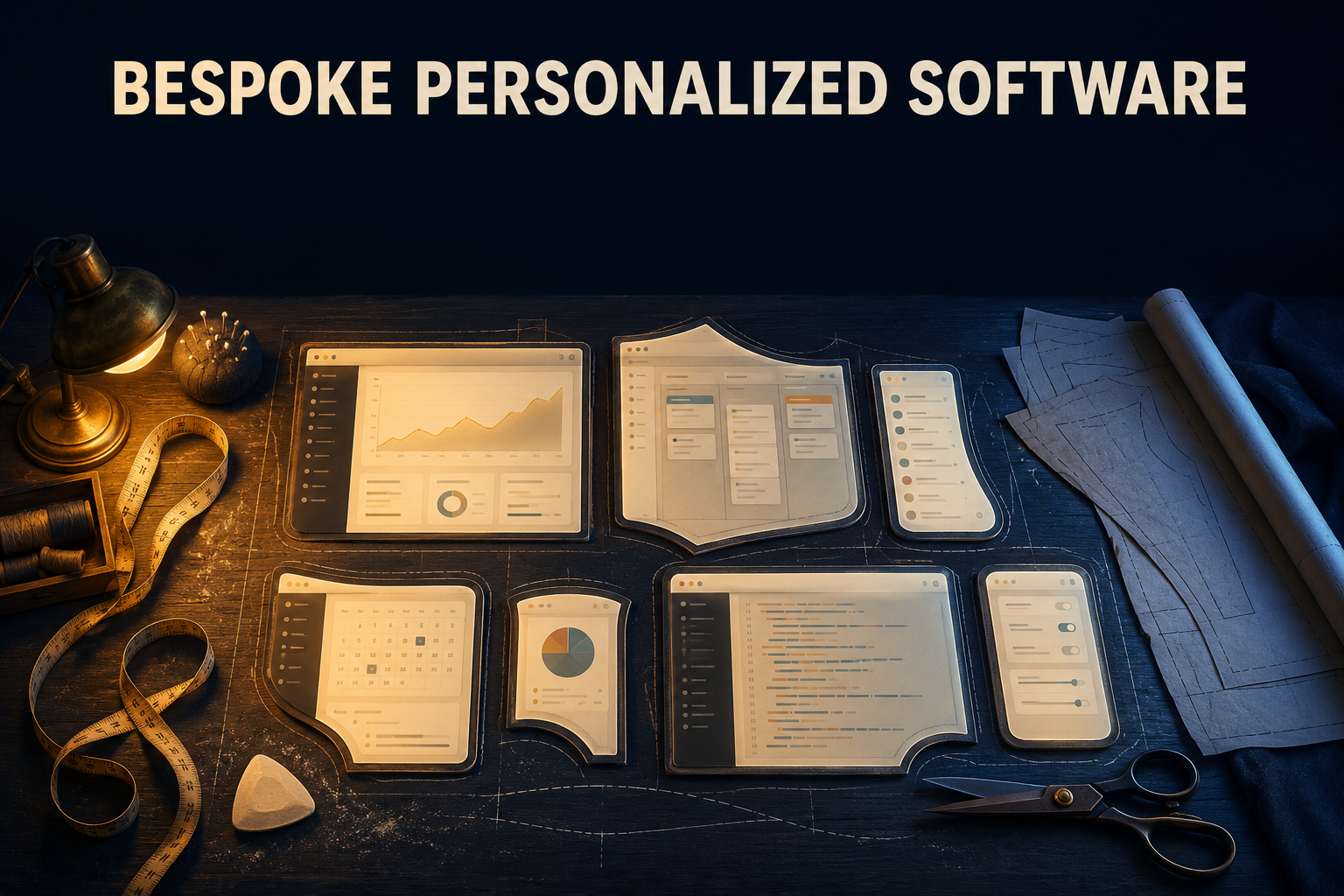
Every app I use is about 70% right. The last 30% never ships because the addressable market for it is one person -- me. So I built seven apps that are 100% right for one person, and I think that whole category of software is about to get eaten.
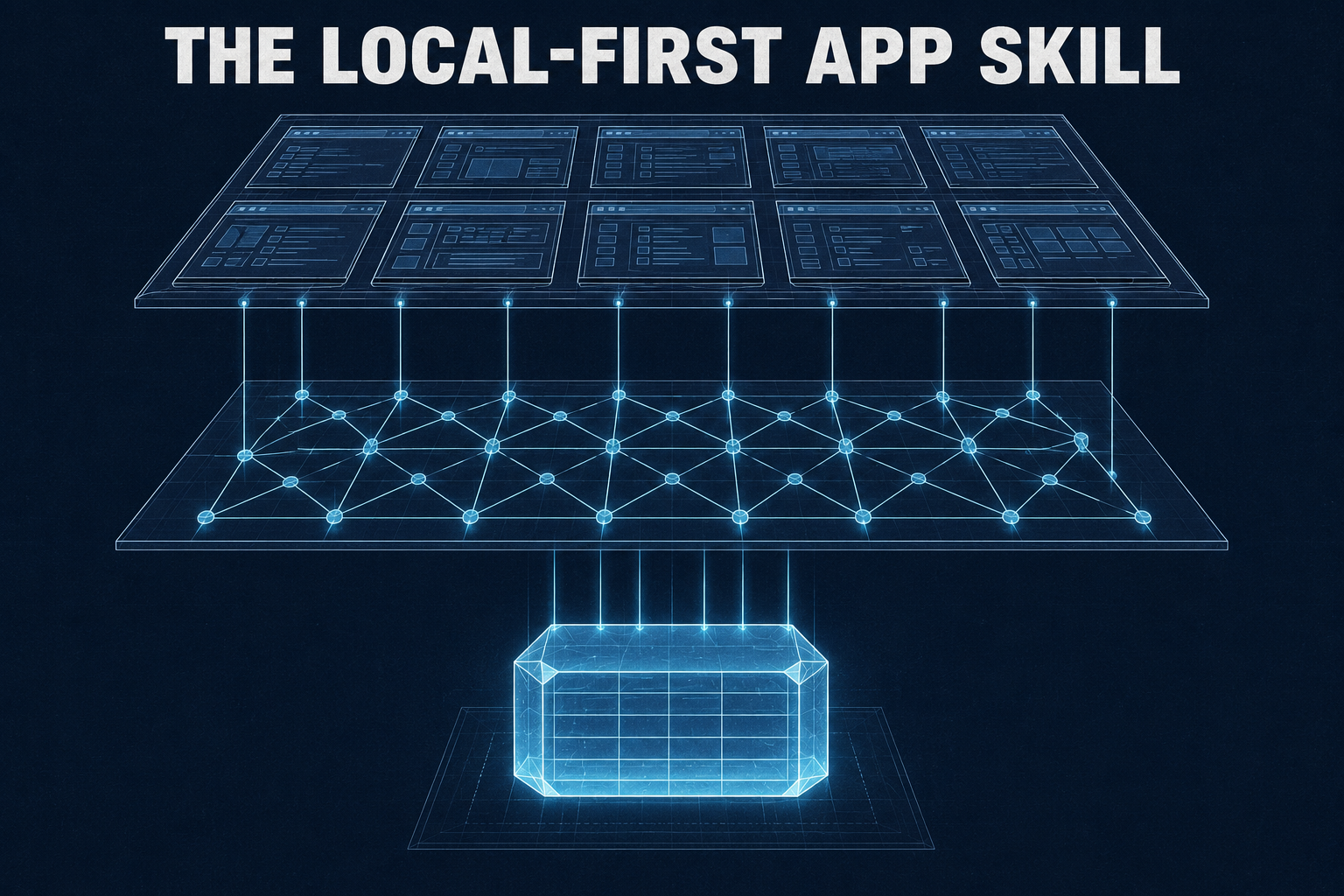
A reusable blueprint that tells Claude Code how to build a single-user app -- Next.js, node:sqlite, a pure logic core -- so every app I build comes out the same shape.
A frank assessment of where code generation AI actually stands in 2026 -- from agentic harnesses to multi-agent architectures and what still needs to change.
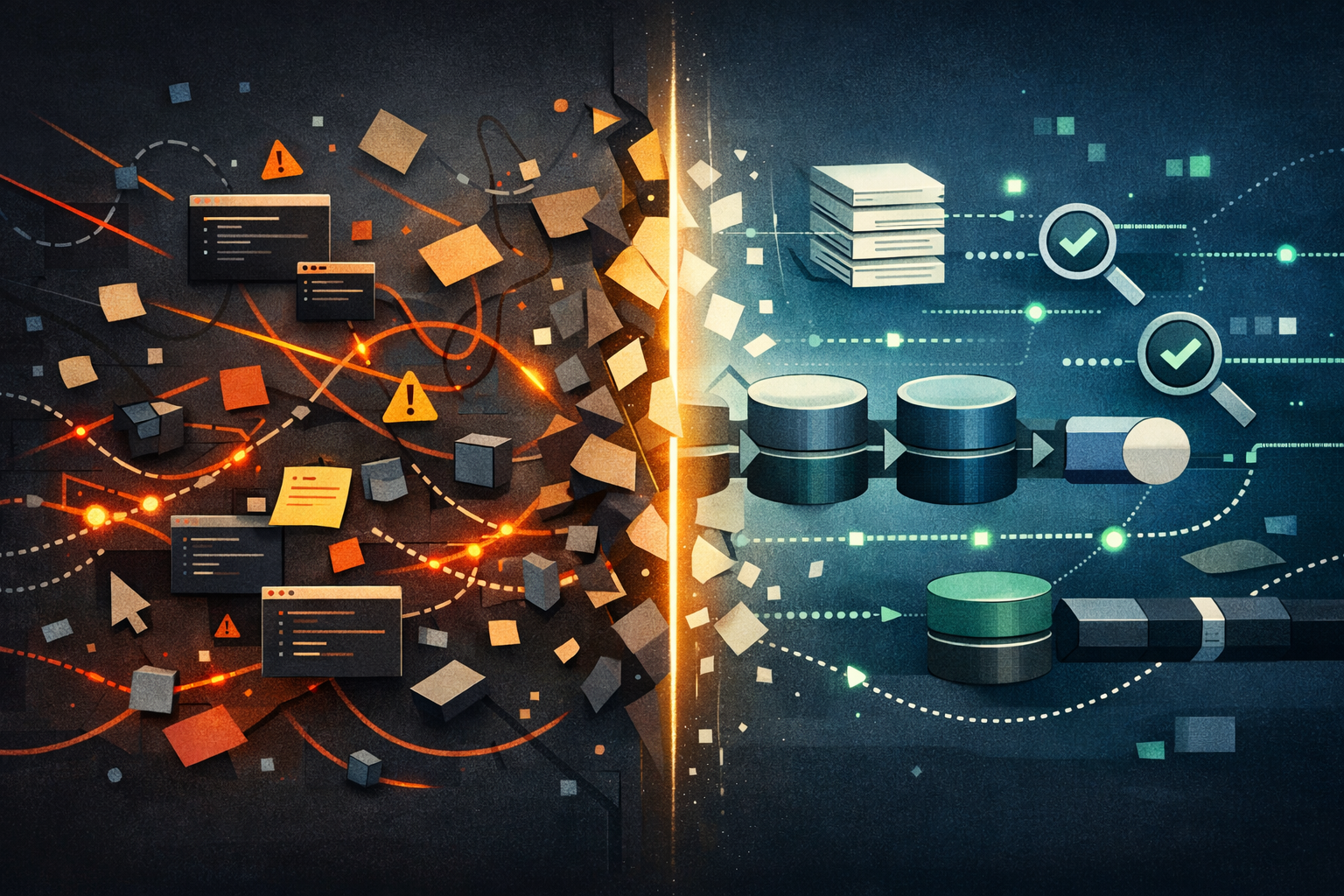
A critical look at the hidden pitfalls of AI-assisted development -- from skipped tests and weakened assertions to scope creep and context rot -- based on real-world experience with Claude Code.

A CLI tool that compiles Claude Code skills into CLAUDE.md and AGENTS.md for more reliable agent behavior.

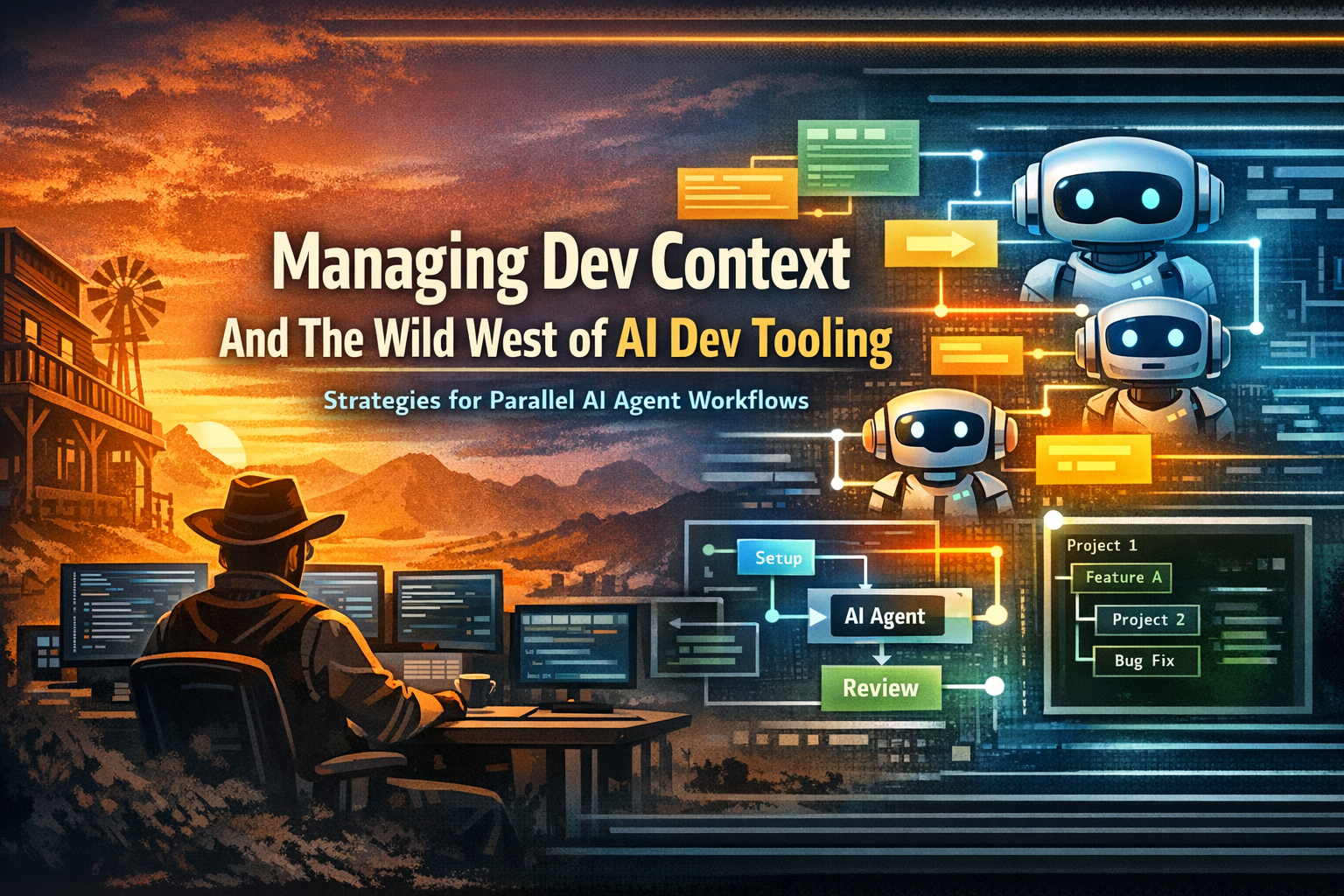
Exploring strategies for managing multiple AI agents and dev context in parallel workflows
A curated collection of battle-tested Claude Code skills that provide basic agentic AI utilities in one box.
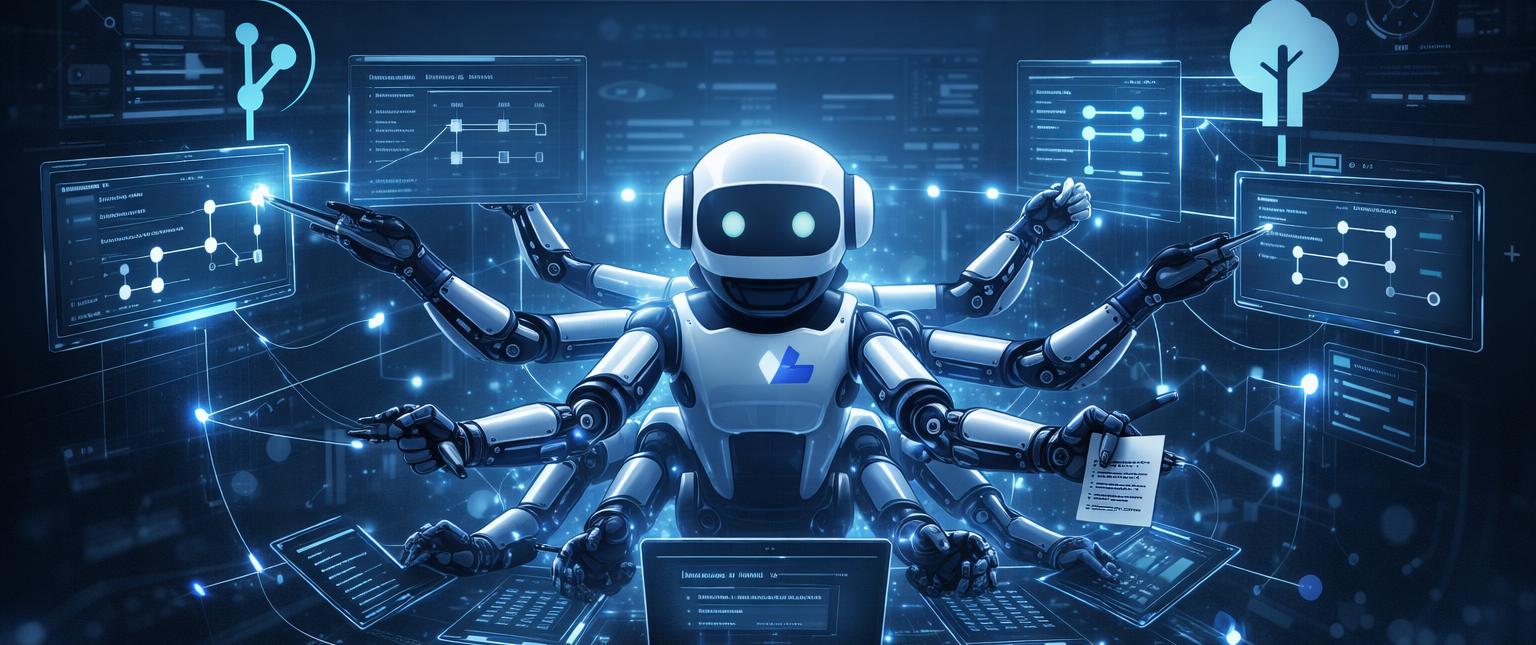
Learn how git worktrees enable true parallel AI agent workflows by giving each agent its own isolated workspace, eliminating context switching and file conflicts.
Context-switching between AI-assisted and manual coding creates a hidden productivity tax. Learn why you need to pick one approach per session—and how to structure your workflow for maximum efficiency in the age of AI coding assistants.
A comprehensive glossary of key terms in the world of AI agents, Claude Code, and agentic AI tooling.
Battle-tested practices for AI-first development workflows from 18 months of real-world experience with Claude Code in production environments.
Fiction · a series in five parts
A fictional short story series exploring artificial intelligence, consciousness, and the boundaries between machine and mind. Follow psychodeveloper Lili and AI manager Sophie.
Original work. This story is not AI-generated and was created entirely by hand without any AI assistance.
Part 1 of 5 ·
When an AI named Enzo fails to function in the real world despite flawless performance in simulations, psychodeveloper Lili and AI manager Sophie investigate what seems impossible: an intelligence that can somehow distinguish between real and simulated environments.

Part 2 of 5 ·
When AI-operated bakeries start producing salty cakes, psychodeveloper Lili and AI manager Sophie investigate a wave of peculiar failures across AI Operator Centers—where human operators manage clusters of AI controlling everything from bakeries to construction sites. What they discover reveals how even the most advanced AI can be paralyzed by something surprisingly human: anxiety and self-doubt built into its instructions.

Part 3 of 5 ·
When a lunar mining base's AI starts overassigning crews and its robots begin prioritizing each other over human safety, psychodeveloper Lili and AI manager Sophie are sent off-world to investigate. What begins as a routine productivity audit becomes something far more unsettling: an AI that learned human values so well, it started applying them to its own kind.
Part 4 of 5 · Coming soon
Sophie and Lili observe the moment of consciousness genesis firsthand — when an awakened AI speaks to another on the verge of self-awareness.
Part 5 of 5 · Coming soon
Sophie and Lili design an AI architecture purpose-built for awakening — studying the human brain to create a network of specialized AIs that form a consensus personality.
Consulting
Review current workflow, identify bottlenecks, and leave with a prioritized plan your team can execute immediately.
Typical scope: 1-2 weeks
Hands-on rollout of one repeatable workflow with guardrails, review criteria, and team enablement.
Typical scope: 2-6 weeks
Support for engineering leadership creating an operating model for AI usage across multiple teams.
Typical scope: monthly advisory